Can small businesses compete with big brands in Google Ads?
In the world of digital marketing, Google Ads often feels like a battleground where only the biggest brands can win. After all, companies with massive budgets can afford to outbid smaller competitors, run endless A/B tests, and flood search results with ads. But here’s the truth: small businesses can absolutely compete—and even thrive—against big brands on Google Ads.
The key lies in strategy, precision, and creativity, not just budget size. When you know how to target the right audience, leverage local search intent, and use Google’s smart tools effectively, your business can achieve excellent ROI while building brand recognition that rivals major players.
In this article, we’ll explore how small businesses can compete with big brands in Google Ads, the challenges they face, and the strategies that help level the playing field.
Understanding the Google Ads Playing Field
Before competing, you need to understand the landscape. Google Ads operates on an auction system, meaning advertisers bid on keywords relevant to their target audience. However, it’s not just about who bids the most — Google also factors in Ad Rank, which is determined by:
- Bid amount
- Ad quality (Quality Score)
- Landing page experience
- Expected click-through rate (CTR)
This means a smaller business with a well-optimized ad and highly relevant keywords can outrank a bigger competitor who’s simply outspending everyone else.
In other words, success on Google Ads depends on strategy and optimization, not just raw budget power.
Why Big Budgets Don’t Always Win
Large corporations may have the financial resources to dominate broader keywords, but their campaigns often lack the granularity and personalization that small businesses can offer. Big brands tend to cast wide nets, which sometimes leads to inefficient spending and irrelevant clicks.
Small businesses, on the other hand, can be nimble and precise. They can:
- Target hyper-local audiences with specific intent
- Focus on niche keywords that large brands overlook
- Build strong customer relationships that encourage repeat business
When every dollar matters, small businesses are forced to be strategic — and that discipline can lead to better campaign performance over time.
The Power of Local Targeting
Local targeting is one of the most effective ways for small businesses to compete in Google Ads. Instead of trying to appear for broad national searches like “plumbing services,” a small local company can focus on geo-targeted phrases like “emergency plumber in King of Prussia” or “Philadelphia drain cleaning.”
These local search terms usually have:
- Lower competition
- Higher conversion rates
- More immediate purchase intent
Google’s local ad extensions and Location Targeting tools also make it easier for your business to show up to nearby users. By focusing on your local community and optimizing your Google Business Profile, you can capture highly qualified traffic that big national competitors can’t reach effectively.
Leveraging Long-Tail Keywords
One of the smartest tactics small businesses can use in Google Ads is to target long-tail keywords — specific search phrases that usually have lower search volume but higher conversion potential.
For example, instead of targeting “landscaping services,” you might focus on “affordable backyard landscaping near me” or “landscaping company for small yards.”
Long-tail keywords allow small advertisers to:
- Avoid costly bidding wars
- Match highly specific user intent
- Achieve better Quality Scores due to ad relevance
Over time, these focused campaigns build momentum, driving consistent and affordable leads without draining your budget.
Using Smart Bidding to Maximize ROI
Google’s Smart Bidding strategies use machine learning to automatically adjust your bids based on real-time signals like location, device, time of day, and user behavior.
For small businesses, this is a major advantage because it removes much of the guesswork from manual bidding. Instead of trying to outbid large companies across the board, Smart Bidding ensures your ads appear only when they’re most likely to convert.
Some Smart Bidding strategies ideal for small businesses include:
- Maximize Conversions – for businesses focused on lead generation
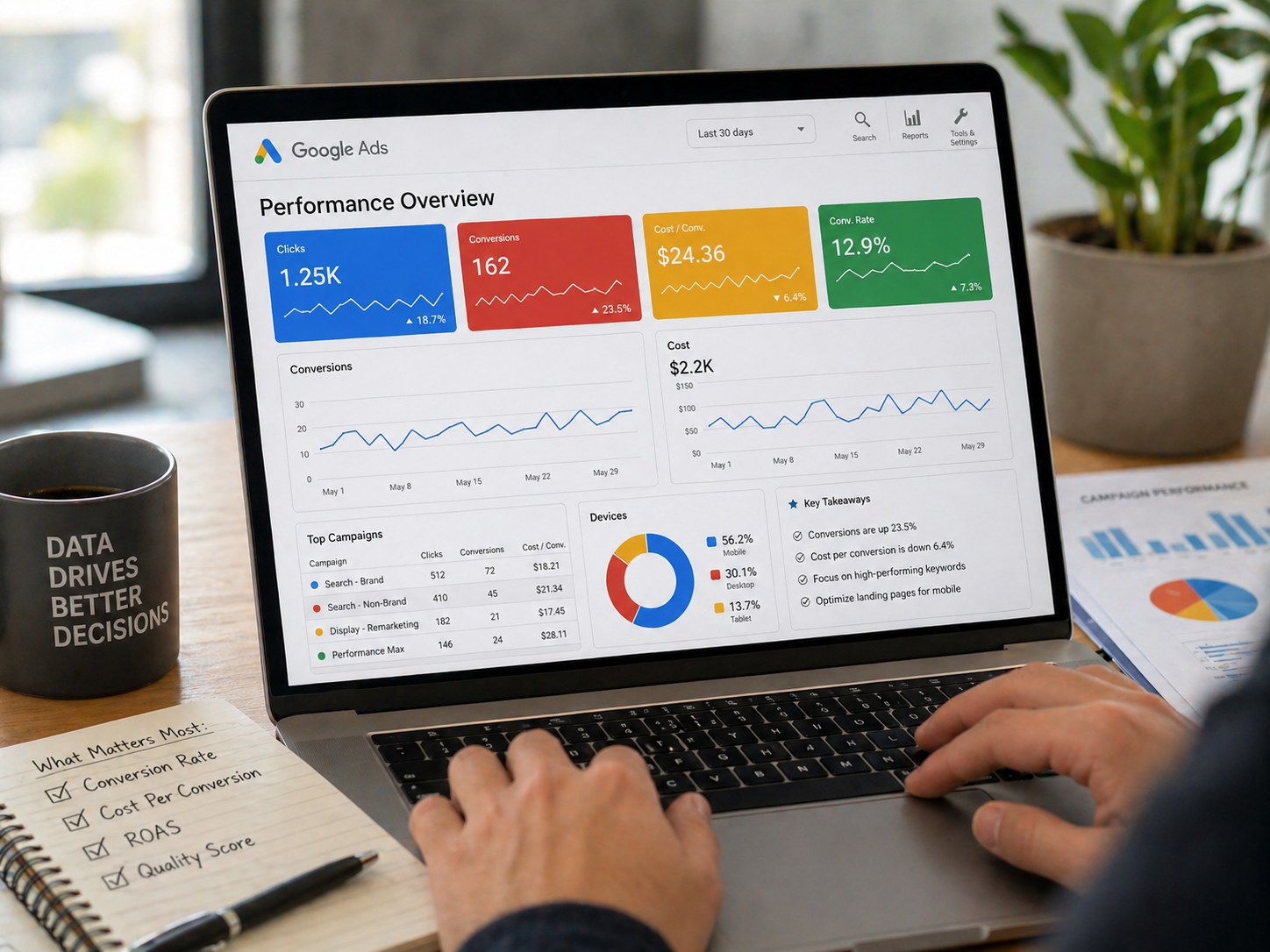
- Target CPA (Cost Per Acquisition) – to control cost efficiency
- Target ROAS (Return on Ad Spend) – for e-commerce advertisers
By combining Smart Bidding with strong ad copy and landing pages, small businesses can generate results that rival even the most well-funded campaigns.
Building High-Quality Ads and Landing Pages
No matter your budget, ad quality remains a major ranking factor in Google Ads. A smaller advertiser with an excellent ad and relevant landing page can outperform a big brand with generic, uninspired copy.
Focus on creating ads that:
- Use
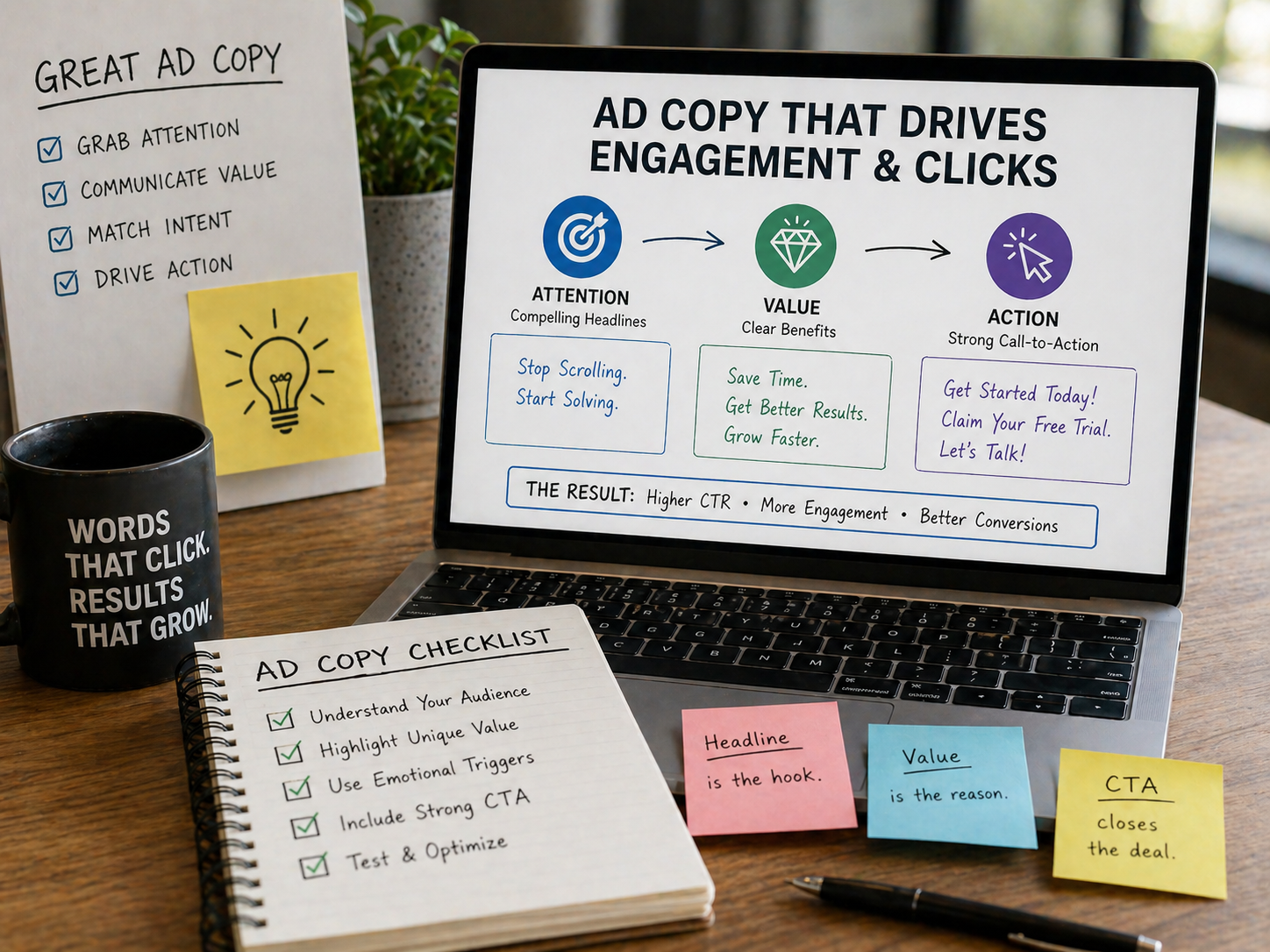
emotional and persuasive language
- Clearly communicate your
unique value proposition
- Include a strong
call to action (CTA)
- Match the intent of the user’s search query
Then, send users to landing pages that are optimized for conversions. Make sure your page loads fast, looks professional, and includes easy next steps (like “Book Now” or “Get a Free Quote”).
Even with a smaller budget, strong creative execution can elevate your performance dramatically.
Emphasizing Remarketing Campaigns
Remarketing is another tool that helps small businesses stretch their Google Ads budget. By showing ads to users who’ve already visited your website or interacted with your brand, you’re marketing to a warmer audience — people who already know you.
Benefits of remarketing include:
- Higher click-through rates
- Lower cost per conversion
- Reinforced brand visibility
You can set up Display Network remarketing to stay top-of-mind as users browse other websites or Search remarketing to appear when they’re ready to take action.
This strategy allows small businesses to maintain visibility even against big competitors who may have more upfront reach but less personal connection with the audience.
Focusing on Ad Extensions for Better Visibility
Ad extensions help your ads stand out by adding more information and clickable elements. For small businesses, they’re a free and effective way to increase visibility and engagement without increasing cost-per-click.
Consider using:
- Call Extensions – let users call your business directly
- Location Extensions – highlight your local presence
- Sitelink Extensions – promote other pages or services
- Review Extensions – showcase customer testimonials
When used strategically, extensions can boost your Ad Rank and help you earn a larger share of the results page — even when competing with larger advertisers.
Playing the Long Game with Consistent Optimization
One of the biggest advantages small businesses have is the ability to iterate quickly. Unlike big corporations with complex approval processes, small teams can pivot and refine campaigns on the fly.
The key to competing effectively is consistent optimization. This means:
- Reviewing performance data weekly
- Testing new ad copy variations
- Adjusting keyword match types
- Improving landing page experience
Each small improvement compounds over time, leading to better click-through rates, stronger Quality Scores, and lower costs per acquisition. While big brands may rely on brute force spending, small businesses win through persistence and precision.
Combining Google Ads with Local SEO
Google Ads and local SEO complement each other beautifully. Ads can generate immediate visibility, while SEO builds sustainable organic traffic over time. When small businesses combine both, they dominate both paid and organic search results.
For example, a local HVAC company can run Google Ads targeting “AC repair near me” while optimizing its Google Business Profile for the same keyword. This dual visibility reinforces trust and encourages more clicks.
The synergy between Ads and SEO creates a flywheel effect — users see your brand repeatedly, both in ads and organic listings, making them far more likely to engage with your business than a faceless national chain.
Why Authenticity and Personalization Matter More Than Size
Big brands often struggle to come across as genuine. Their messaging is broad, impersonal, and mass-produced. Small businesses, however, can communicate directly and authentically with customers.
By incorporating personalized copy, showcasing real customer stories, and engaging directly through responsive ads, small businesses can connect with their audience on a human level.
Authenticity translates to better engagement rates, higher trust, and ultimately, lower acquisition costs. Remember, customers don’t just buy products—they buy relationships, and that’s where small businesses have the upper hand.
Final Thoughts
So, can small businesses compete with big brands in Google Ads? Absolutely.
While large companies might dominate broader markets, small businesses have tools and tactics that allow them to thrive in their niches — precision targeting, local optimization, and authentic messaging. With smart bidding strategies, ongoing optimization, and a strong local focus, smaller advertisers can consistently outperform big competitors where it matters most: results and ROI.
Google Ads is not just about who has the deepest pockets. It’s about who knows how to use the platform strategically. By leveraging creativity, data, and authenticity, small businesses can confidently hold their own—and even win—against the giants.
Want to take your Google Ads performance to the next level?
Visit GetPhound to learn how our expert team can help you build smarter campaigns, reach more customers, and maximize your marketing budget.