Does ChatGPT affect SEO or search ranking?
The rise of AI-powered tools like ChatGPT has transformed the digital marketing landscape, sparking both excitement and concern among website owners and SEO professionals. As more users turn to conversational AI for answers, recommendations, and transaction guidance, the question arises: does ChatGPT actually affect SEO or search engine ranking? Understanding this is crucial for brands looking to maintain visibility, authority, and growth in an increasingly AI-driven era.
This post explores ChatGPT’s role in shaping SEO — from content creation and user experience to the emerging concept of Generative Engine Optimization (GEO). Discover how AI can be leveraged to improve your site’s performance and what pitfalls to avoid to ensure your business continues thriving online.
The Evolution of Search: From Google to Generative AI
Traditional search engines rank web pages based on a combination of technical and qualitative factors, such as backlinks, content relevance, and user engagement. However, the emergence of large language models (LLMs) like ChatGPT signals a shift toward conversational and context-driven results.
While Google and Bing still dominate, millions turn to ChatGPT for answers or recommendations. Unlike search engines that list dozens of results, ChatGPT often delivers a couple of succinct, authoritative suggestions. This change means being recognized by conversational AI is increasingly important — not just ranking on page one of Google.
Businesses must adapt by considering how content and brand mentions are interpreted by generative AI engines, laying the groundwork for a dual approach: optimizing for both search engines and AI chatbots.
What Is Generative Engine Optimization (GEO)?
A new discipline, Generative Engine Optimization (GEO), has emerged to address the growing influence of AI models like ChatGPT. Unlike SEO, which focuses on search engines, GEO involves optimizing your brand and content for visibility within generative AI answers.
Key practices in GEO include:
- Structuring content for Q&A formats commonly used by AI
- Using schema markup to help language models understand your site
- Building authority through reputable mentions and citations
- Enhancing local business visibility with up-to-date information
- Monitoring AI crawler activity to track and adapt to new algorithms
Prioritizing GEO ensures that your site is well-positioned not just for clicks from search engines but also for recommendations from the most widely used AI assistants.
ChatGPT and Content Creation: Opportunities and Pitfalls
ChatGPT has revolutionized content production, enabling businesses to generate engaging, keyword-rich, and SEO-optimized content at scale. This can be a game-changer for maintaining content freshness, covering long-tail keywords, and producing comprehensive resources that rank well.
However, relying solely on AI-generated content carries risks. For maximum SEO effectiveness:
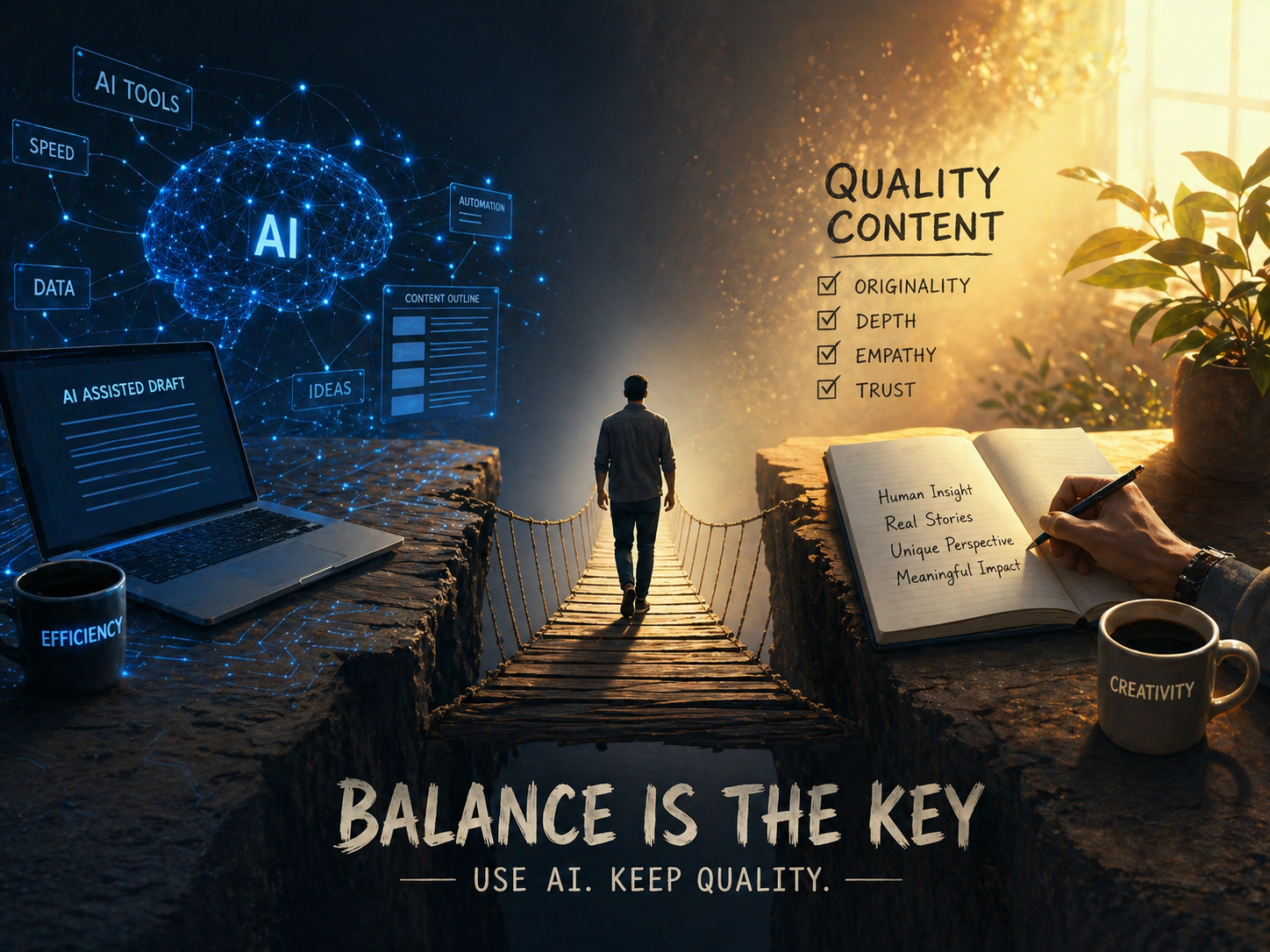
- Use ChatGPT as a co-writer, not an autopilot, to ensure originality and value.
- Fact-check, edit, and optimize drafts before publication.
- Avoid mass-publishing undifferentiated AI text, as low-depth content can harm rankings.
High-quality, human-reviewed AI content not only helps with SEO but also positions your brand as authoritative and trustworthy.
How AI Chatbots Influence User Experience Metrics
User experience (UX) metrics, such as bounce rate, average session time, and return visits, play a significant role in search rankings. Integrating ChatGPT-powered chatbots into your website enhances engagement by providing instant answers and guiding visitors to relevant pages.
Benefits include:
- Lower bounce rates, as users find what they need more quickly.
- Increased time on site, signaling value to search engines.
- Higher return visit rates, indicating loyalty and trust.
These improvements can directly and indirectly influence search rankings, as search engines increasingly reward websites with superior UX signals.
Keyword Optimization in the Age of AI
AI tools like ChatGPT can assist in identifying and deploying long-tail and semantic keywords throughout your content. Rather than simply stuffing pages with generic terms, AI enhances keyword research by uncovering phrases and topics users actually search for in conversational queries.
Modern SEO now emphasizes:
- Semantic search and topic clusters, not just keyword density.
- Answering the intent behind questions, as AI models prioritize contextually relevant information.
- Using natural language and structured data to help both search engines and generative models interpret page value.
Brands that master these techniques stand to gain visibility from both traditional and AI-driven searches.
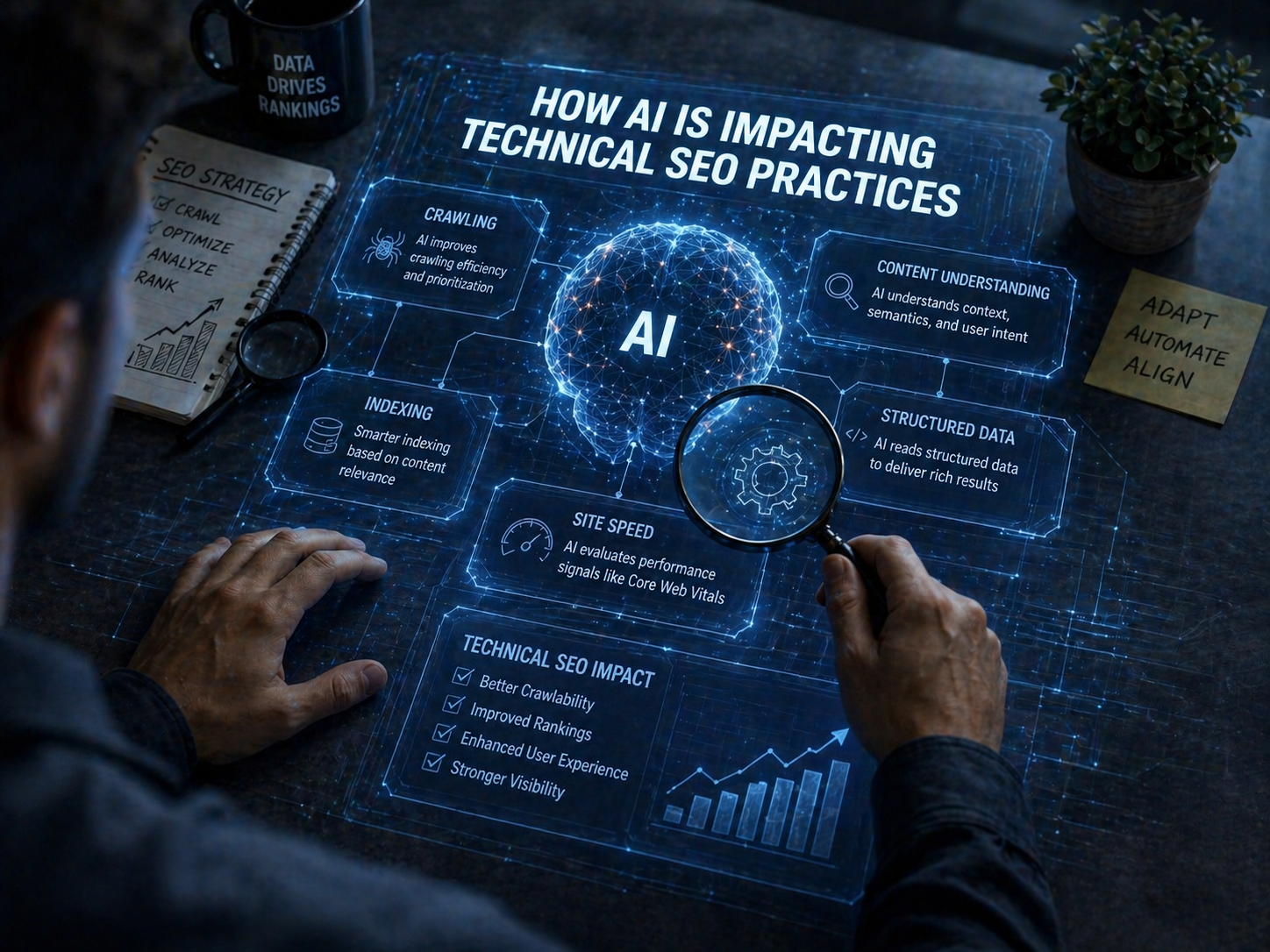
The Importance of Structured Data and Schema Markup
ChatGPT and other AI platforms rely on structured data and schema markup to accurately interpret page content and context. By implementing comprehensive, up-to-date schema, you enhance your site’s likelihood of being recommended by AI and achieving rich search snippets.
Key actions:
- Mark up business info, reviews, FAQs, and products with schema.
- Regularly update structured data to reflect changes and expand coverage.
- Test and validate markup using tools from Google and other search providers.
Structured data isn’t just an SEO best practice; it’s essential for helping LLMs recognize your authority and relevance in their responses.
Brand Mentions and Authority in AI-Driven Search
ChatGPT assesses authority differently from search engines — favoring reputable mentions, trustworthy sources, and consistently accurate information over traditional backlink profiles. To boost visibility in AI responses:
- Seek positive, relevant coverage from authoritative websites.
- Maintain NAP (Name, Address, Phone) and business consistency across platforms.
- Encourage customer reviews and testimonials, which are frequently cited by AI.
Building these “AI trust signals” ensures that your brand is considered a credible recommendation source, both by human users and conversational bots.
AI-Powered Local SEO and MAP Optimization
AI-driven platforms like ChatGPT increasingly pull from local business data to answer user queries about services, directions, and hours. MAP SEO (or Google Business Profile optimization) becomes even more critical in making sure local businesses get recommended in generative searches.
Effective local SEO now requires:
- Keeping business profiles accurate and up to date.
- Soliciting and responding to local reviews.
- Using hyper-local, semantic content to match community search intent.
Consistent optimization improves the likelihood of being surfaced in both local search results and AI-generated recommendations.
Personalized User Interactions and Engagement
AI chatbots power personalized experiences by addressing unique questions, generating custom recommendations, and dynamically assembling FAQs or support resources. Higher personalization boosts satisfaction and conversion rates — metrics that, when positive, feed back into SEO performance.
To get the most from AI:
- Implement interactive chatbots driven by up-to-date business knowledge.
- Use analytics from user interactions to continuously improve site content.
- Ensure that chatbot responses link to valuable resources and drive deeper site exploration.
Personalization powered by generative AI can turn casual site visitors into loyal customers and advocates.
Preparing for the Future: AI, Search, and Your Business
The integration of AI into search and digital marketing is accelerating. Website owners and marketers must stay informed and flexible — not just in technical implementation, but in adapting strategies for the new ways people seek and find information.
Best practices:
- Monitor trends in generative AI and SEO, such as GEO.
- Balance automation with human creativity, expertise, and oversight.
- Test, measure, and refine your approach regularly to maintain and grow visibility as the digital landscape evolves.
Active leadership in embracing and leveraging AI ensures your brand remains competitive and discoverable in whatever platform users choose.
Final thoughts
Does ChatGPT affect SEO or search rankings? Absolutely — and its influence is only growing. From revolutionizing how content is created and optimized, to redefining authority and user experience metrics, AI tools like ChatGPT are fundamentally changing the way businesses are discovered online.
By strategically integrating ChatGPT into content and marketing efforts, focusing on GEO, and embracing both classic and next-generation SEO best practices, your website can thrive. The key is to treat AI as a partner, combining its efficiency with human insight to deliver relevance, depth, and trust — both for search engines and the intelligent assistants now guiding millions of online journeys.
This is exactly where GetPhound
can help. Our team specializes in blending proven SEO strategies with cutting-edge AI-driven techniques, ensuring your brand stays visible and competitive in this evolving landscape. From creating optimized content that resonates with both search engines and AI models, to implementing structured data, local SEO enhancements, and authority-building tactics, we help businesses adapt and grow in the AI era. With GetPhound as your digital partner, you don’t just keep up with the changes — you stay ahead of them.