Scaling Local SEO Campaigns Without Losing Ranking Stability
Scaling Local SEO Campaigns Without Losing Ranking Stability
Growth creates pressure. The moment a local business begins expanding into new neighborhoods, cities, or service lines, SEO complexity multiplies. What once worked for a single-location strategy can quickly destabilize rankings when duplicated across multiple markets. Many brands experience it: they launch new location pages, expand service coverage, and suddenly long-held rankings begin fluctuating. Scaling visibility without losing stability requires strategic infrastructure — not just more content.
Modern Search Engine Optimization is no longer about publishing aggressively. It’s about structured expansion. Scaling local SEO campaigns means protecting existing authority while layering new geographic signals in a way that strengthens — rather than fragments — your digital footprint.
This guide outlines how to grow your local SEO campaigns methodically, maintain ranking consistency, and build scalable authority that compounds over time.
Why Scaling Local SEO Often Causes Ranking Volatility
When businesses expand geographically, they often:
- Duplicate location templates
- Target overlapping keywords
- Create thin city pages
- Alter internal linking structures
- Disrupt existing authority distribution
These changes send mixed signals to search engines. Instead of strengthening domain authority, expansion can dilute it.
Ranking volatility typically stems from:
- Keyword cannibalization
- Duplicate content similarity
- Over-optimized anchor text
- Technical misconfiguration
Scaling requires stability-first thinking. Every expansion should protect existing ranking equity.
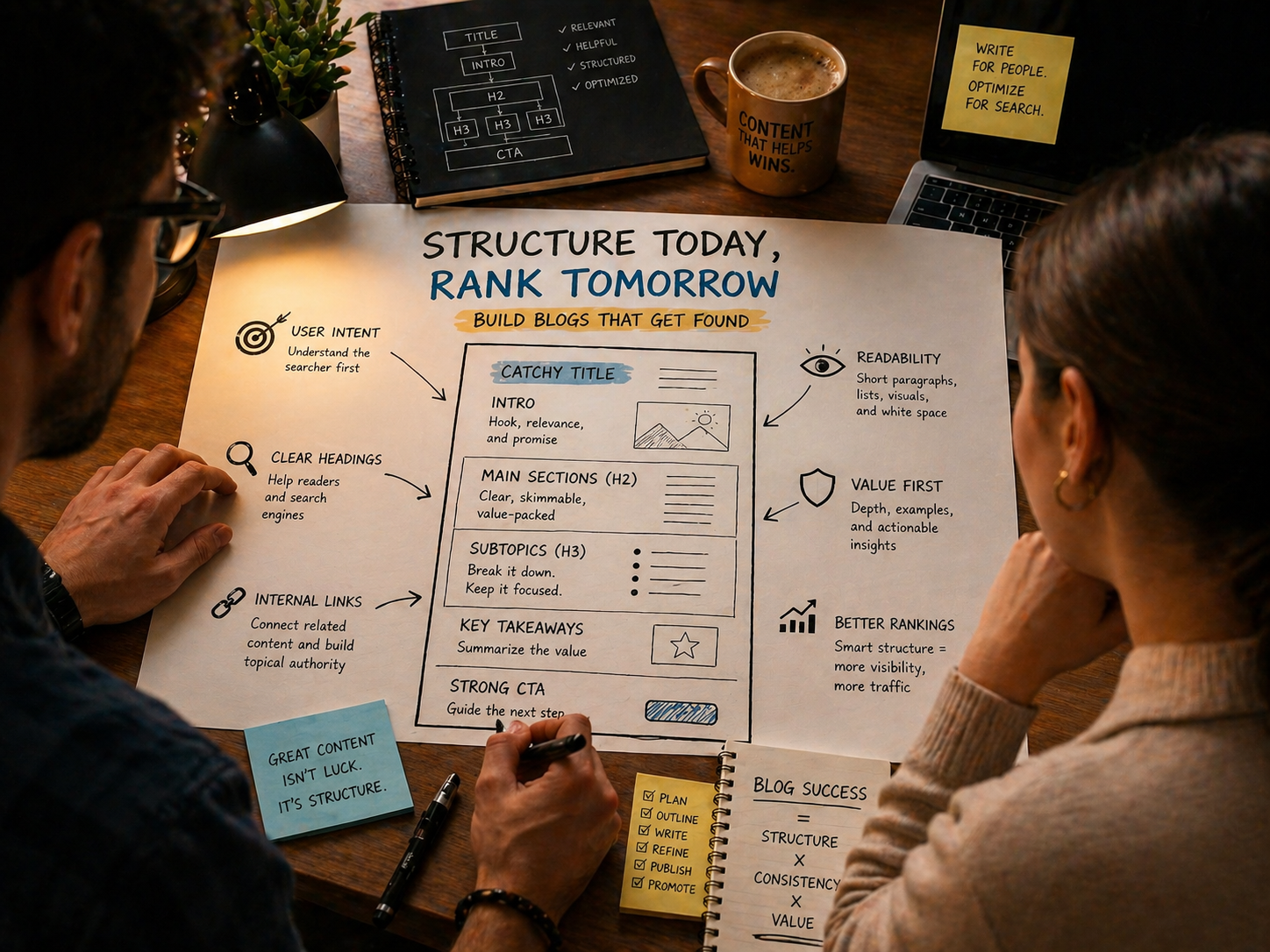
Building a Stable Site Architecture Before Expansion
Site architecture determines how authority flows.
A scalable local structure typically includes:
- Main service hub
- State-level categories
- City-level pages
- Service-specific subpages
| Page Type | Purpose | Authority Role |
|---|---|---|
| Service Hub | Core keyword targeting | Primary authority |
| City Page | Geographic relevance | Local authority |
| Service + City | Transactional targeting | Conversion driver |
Hierarchy clarity prevents internal competition during scale.
Segmenting Keyword Ownership by Geography
Before adding new pages, define keyword ownership.
- Primary keywords assigned per city
- State-level pages avoid city modifiers
- Neighborhood pages target hyperlocal terms
This segmentation ensures expansion strengthens rather than disrupts rankings.
Structured local SEO campaigns rely on clear geographic targeting.
Protecting Existing Ranking Equity During Growth
Preserve:
- High-performing URL structures
- Internal link pathways
- Backlink targets
- Optimized meta data
Avoid altering core pages while expanding outward.
Scaling should be additive — not disruptive.
Creating Unique Value in New Location Pages
Avoid templated duplication.
- Include local case studies
- Reference neighborhood landmarks
- Highlight community involvement
- Embed location-specific testimonials
Depth signals relevance. Repetition signals dilution.
Internal Linking That Supports Scale
Use structured linking:
- City pages link back to main service hub
- Blog posts link to most relevant location
- Avoid excessive cross-city linking
Proper linking channels authority logically.
Strategic organic SEO depends on deliberate internal architecture.
Managing Google Business Profiles Across Markets
Each location must:
- Maintain accurate NAP data
- Respond to reviews consistently
- Use optimized categories
- Publish updates regularly
Map pack consistency reinforces organic stability.
Monitoring Ranking Signals During Expansion
Track:
- Keyword movement per city
- Impression growth
- CTR changes
- Map pack stability
Weekly monitoring prevents small issues from becoming systemic problems.
Scaling Content Clusters Without Cannibalization
When expanding blog content:
- Avoid repeating identical “service + city” articles
- Use supporting topical clusters
- Target informational intent separate from transactional pages
Content strategy must align with geographic segmentation.
Technical Stability as a Scaling Foundation
Ensure:
- Fast page speed
- Mobile responsiveness
- Clean XML sitemaps
- Accurate canonical tags
Technical errors multiply with scale. Stability must precede expansion.
Building Compounding Authority Across All Markets
Scaling local SEO successfully means:
- Expanding outward from strong foundations
- Protecting core rankings
- Layering geographic precision carefully
- Monitoring continuously
When structured correctly, each new location strengthens the overall domain rather than weakening it.
If you’re ready to expand your market footprint while protecting ranking stability, GetPhound builds scalable local SEO systems designed for long-term authority and controlled growth.