Can ChatGPT Really Write My Blog for Me?
Can CHATGPT Really Write My Blog for Me?
You’d have to live under a rock to not notice the recent AI craze sweeping the digital world. The question on every business owner’s mind for the last several months has been:
“What can I automate with ChatGPT?”
The first thing that comes to mind is blogging (aka SEO, aka content marketing). Business owners are usually too busy running their business to worry about regularly updating their website with
unique, targeted, SEO-friendly content and it becomes one of the first things they outsource. Typically, they’d hire an
SEO agency or freelance SEO writer to tackle this project, but with the latest advancements in ChatGPT, business owners want to know:
"Can ChatGPT really write my blog for me?"
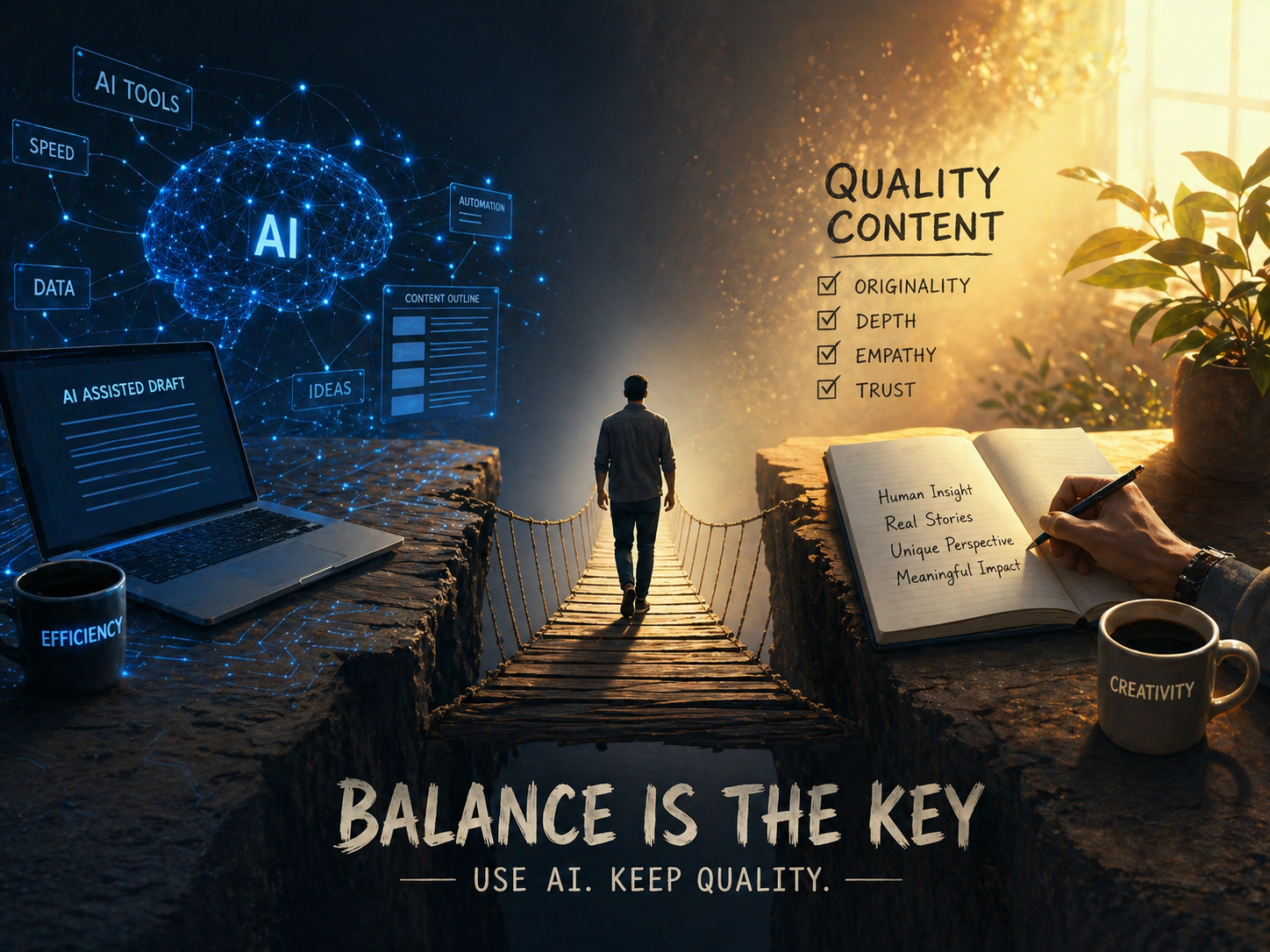
The short answer is yes, ChatGPT can technically write a blog for you–and it may even rank! But to truly understand the answer to this question, you’ll need to understand exactly what blogging entails.
Where CHATGPT Falls Short When it Comes to Blogging
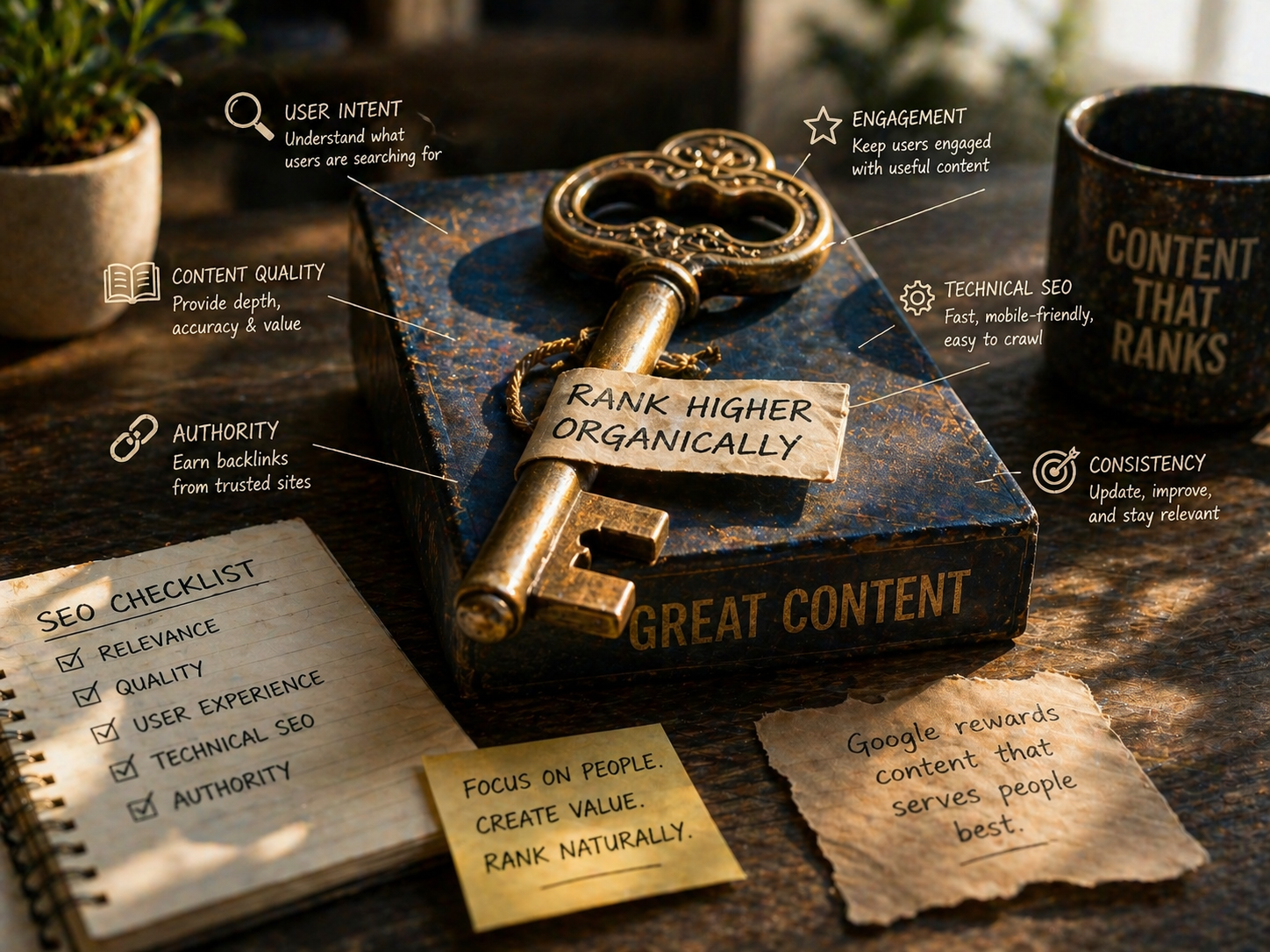
1. Blogging for SEO starts with a keyword strategy. Your blogs should be focused around keywords that people are actually searching for, that are relevant to your business, and that show an intent to purchase from you (i.e. Volume, Relevance and Intent). As an SEO agency, we use software to see what people are searching and then we make decisions about which are best to target.
Where ChatGPT falls short: ChatGPT can come up with generic keywords to target, e.g. “stucco” and “stucco remediation” but it lacks the ability to analyze what you’re currently ranking for, what low-hanging fruit is best to target first, where you can lay the groundwork for more competitive search terms, and so on. In other words, ChatGPT can’t really strategize for you.
2. Optimizing for a blog for SEO involves some strategy as well. As an SEO company, we have to decide which internal and external links to include, how to work the keyword phrase into the most important elements, what the top-level calls to action should be, how to quickly differentiate yourself from competitors, etc.
Where ChatGPT falls short: ChatGPT can only analyze content that already exists and reformat it so that it would technically pass a plagiarism test. It can’t make strategic decisions with your business goals and customer thought processes in mind.
3. SEO content should build on previous SEO content. A comprehensive SEO strategy will take into account all the SEO work you’ve done to date and use KPIs to determine where you should focus your SEO efforts next for maximum effect.
Where ChatGPT falls short: As of now, ChatGPT can only spit back information at you that it gathers from reading content around the web. It can’t learn about your business, analyze your performance and figure out which is the best path forward according to your business goals. Only a real live human can do that (so far!).
So, CHATGPT Can Technically Write a Blog, But Will it Help?
To summarize, YES ChatGPT can technically write a blog for your website, and if you upload it and optimize it, it may even rank. But is there any strategy behind that keyword? Is it something you WANT to be ranking for? Is it a keyword you’re already ranking for? Is the blog making use of interlinking? Are you spending time creating content with ChatGPT for little to no payoff? These are the more important questions to ask.
If you’re struggling with the “next steps” in your SEO strategy,
schedule a call with us to talk it over.