How AI tools are transforming the SEO industry
SEO used to feel like a slow game of trial and error. You’d publish content, tweak a few keywords, wait weeks, and hope rankings moved in the right direction. Sometimes they did. Often, they didn’t—and no one could fully explain why. That uncertainty defined SEO for years.
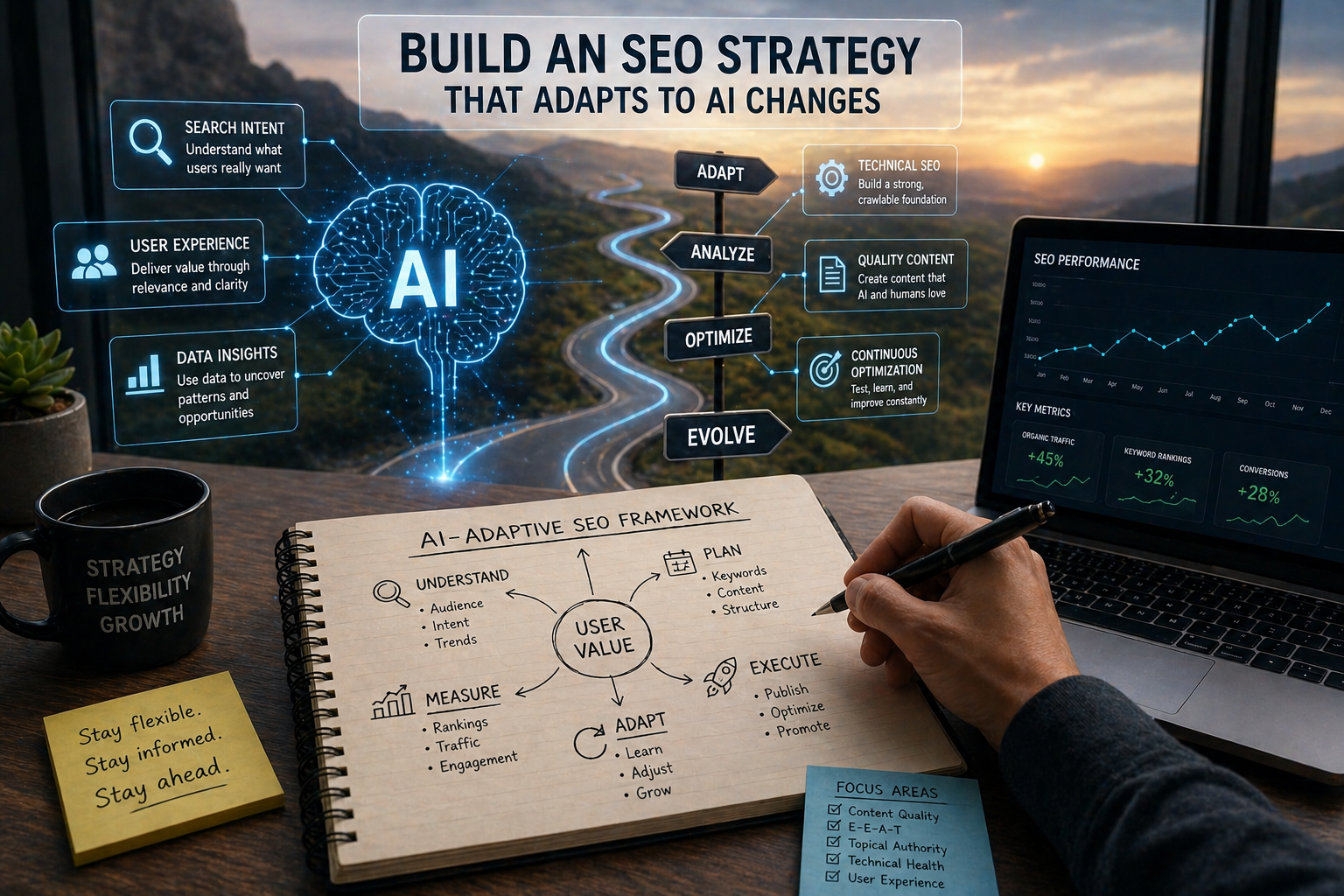
AI tools have changed that dynamic. Not by replacing SEO strategy, but by accelerating insight, pattern recognition, and decision-making in ways that weren’t possible before. Instead of guessing what might work, SEO professionals can now analyze massive datasets, predict trends, and uncover opportunities with far more precision.
This transformation isn’t theoretical. It’s happening right now across content creation, technical optimization, keyword research, user experience analysis, and competitive intelligence. Understanding how AI tools are reshaping SEO is no longer optional—it’s essential for staying competitive in modern search.
How AI changed keyword research forever
Keyword research used to revolve around volume, difficulty, and intuition. AI tools introduced a deeper layer: intent, context, and relationships between queries.
Instead of treating keywords as isolated phrases, AI analyzes how users search across entire journeys. It identifies clusters of related queries, semantic variations, and emerging trends before they show up in traditional tools.
AI-powered keyword research helps uncover:
- Long-tail opportunities with high intent
- Question-based searches users actually ask
- Topic gaps competitors haven’t addressed
- Shifts in search behavior over time
This means SEO strategies can now be built around topics and intent rather than just keywords. Pages become more comprehensive, relevant, and aligned with how people search—not how tools categorize queries.
The result is content that ranks for dozens or hundreds of related searches instead of chasing one keyword at a time.
AI-driven content creation and optimization
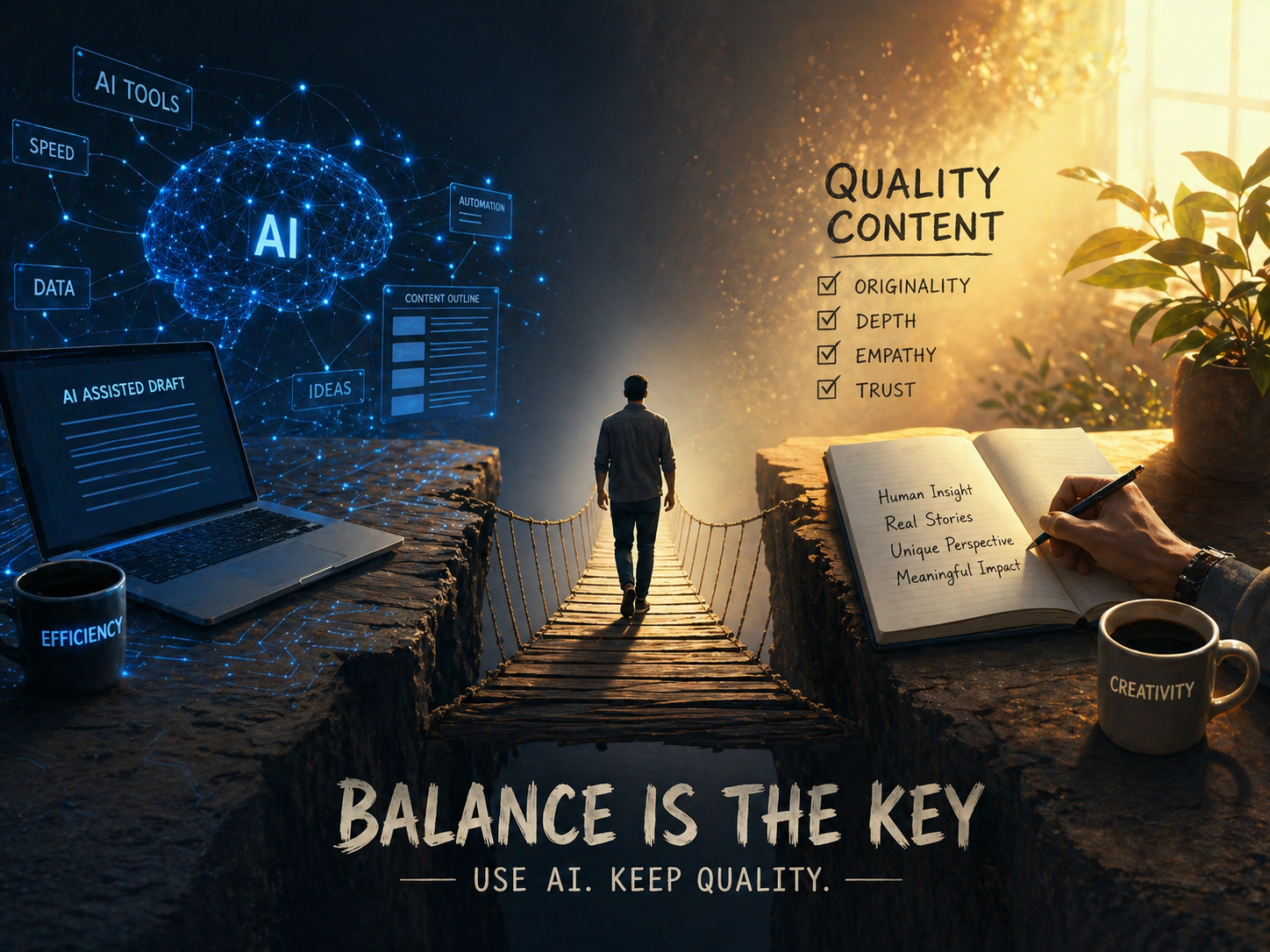
AI has transformed how content is created—but not in the way many people fear. It hasn’t replaced human writers; it has enhanced them.
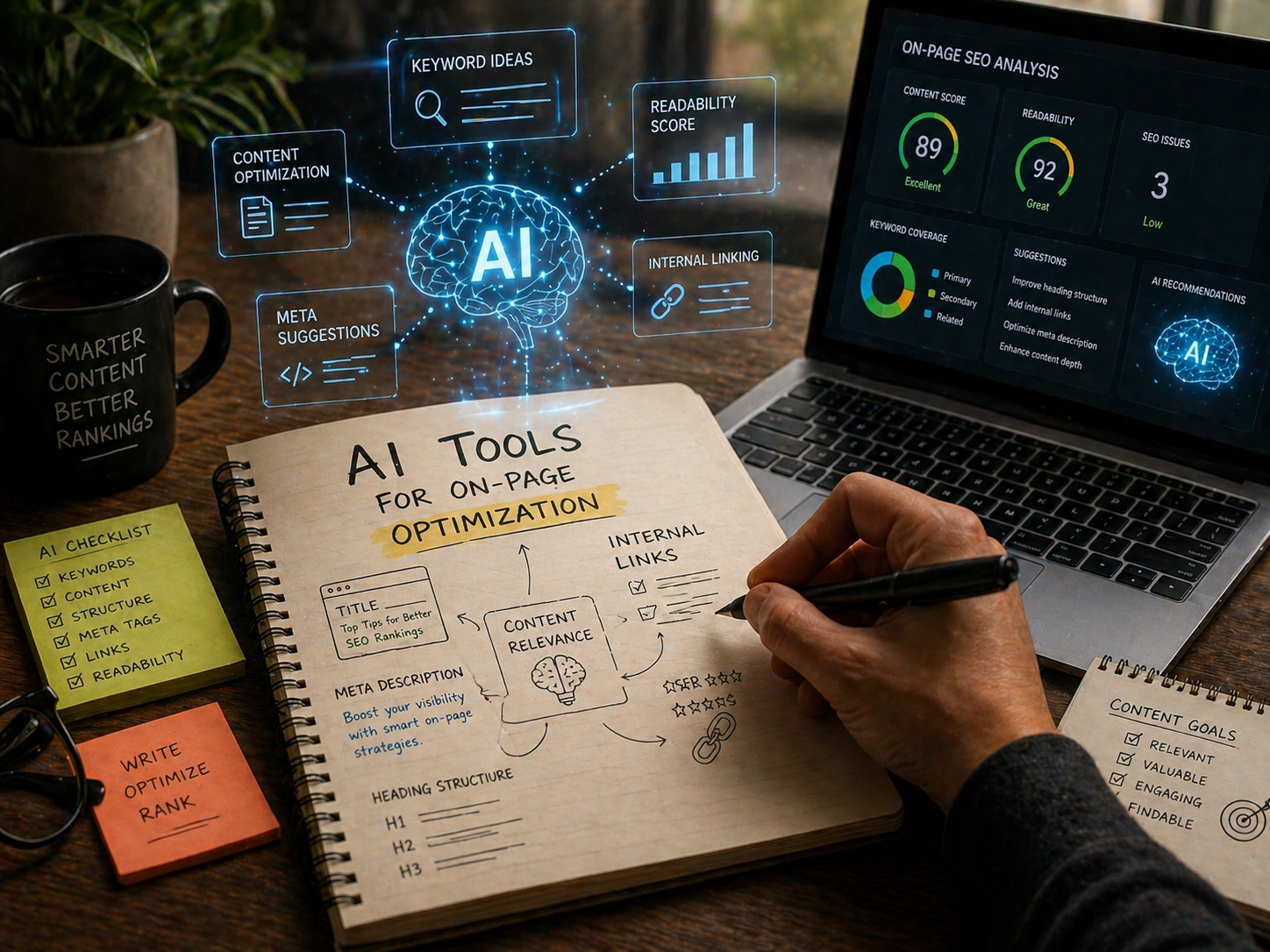
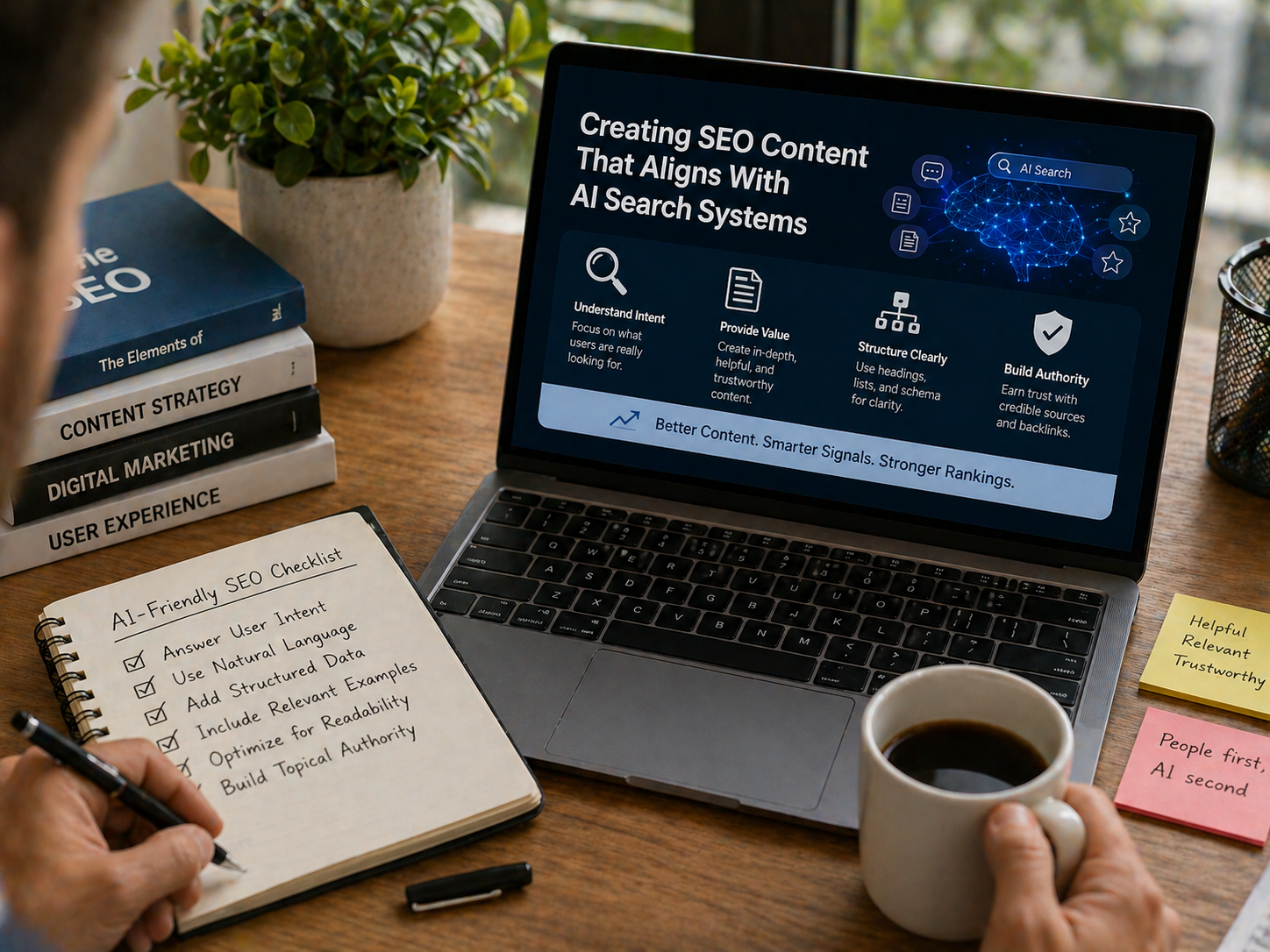
Modern AI tools assist with outlining, research, and optimization by analyzing top-ranking pages and identifying what they have in common. This includes structure, depth, related subtopics, and readability.
AI helps content teams:
- Identify missing sections competitors include
- Optimize headings for clarity and relevance
- Improve topical coverage without keyword stuffing
- Refresh outdated content based on current SERPs
Instead of guessing what Google wants, AI surfaces patterns based on real ranking data. Writers still provide voice, expertise, and originality—but AI reduces inefficiency and blind spots.
The best-performing content today blends human insight with AI-powered analysis, creating pages that are both engaging and algorithm-friendly.
Technical SEO at scale with AI assistance
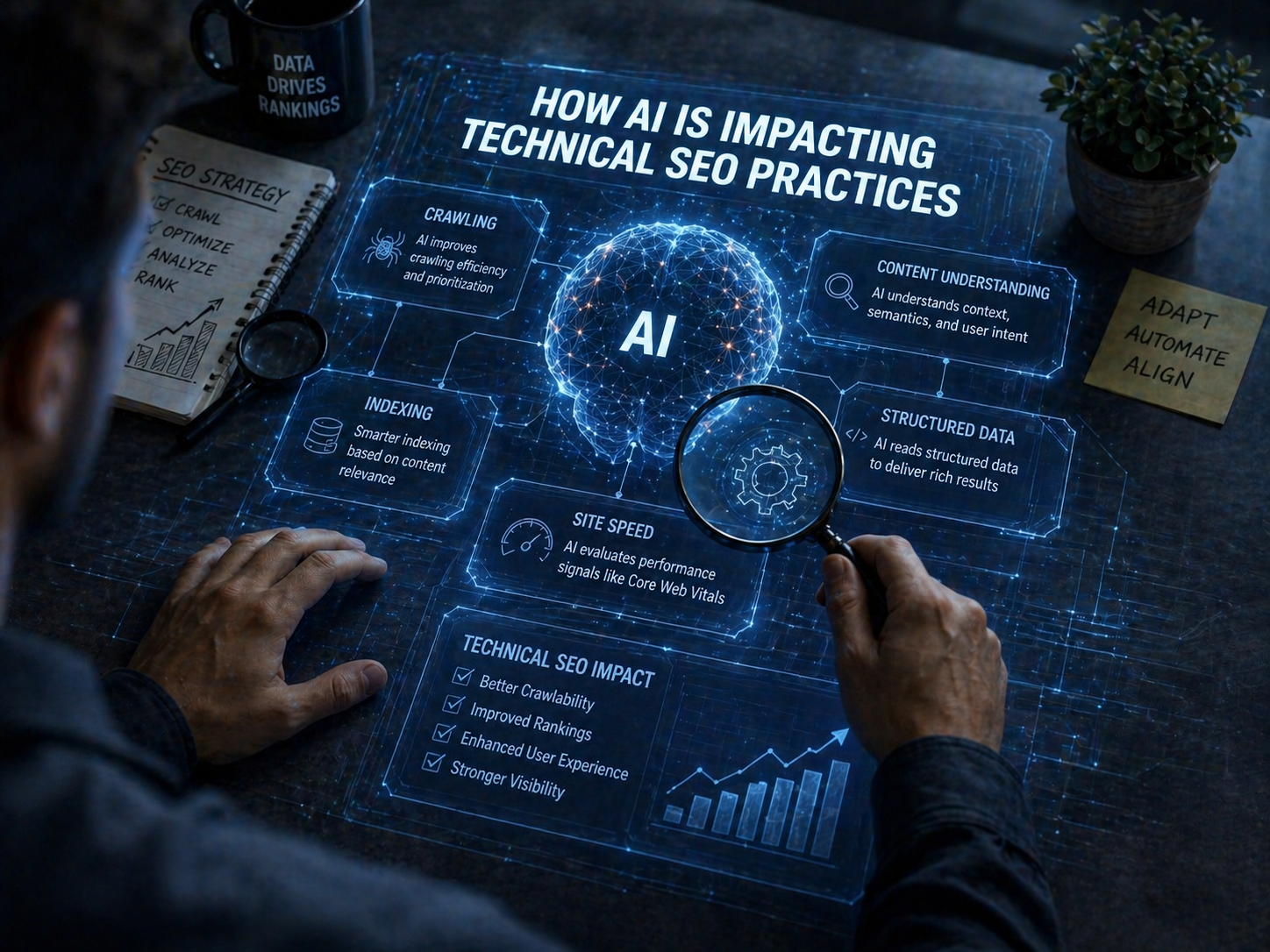
Technical SEO used to be time-consuming and reactive. AI tools now make it faster, proactive, and more precise.
AI-powered crawlers can scan thousands of URLs and identify patterns humans would miss—such as recurring indexing issues, internal linking gaps, or performance bottlenecks tied to specific templates.
AI helps technical SEO by:
- Prioritizing issues based on potential impact
- Identifying correlations between errors and ranking drops
- Detecting anomalies in crawl behavior
- Forecasting how fixes may influence performance
Instead of treating all issues equally, AI helps SEOs focus on what actually matters. This shift improves efficiency and reduces wasted effort on low-impact fixes.
Technical SEO becomes less about checklists and more about strategic problem-solving.
Smarter internal linking and site architecture
Internal linking plays a major role in how search engines understand page importance and topical relationships. AI tools have significantly improved how internal linking strategies are developed.
By analyzing content themes, page performance, and link equity distribution, AI can recommend internal links that strengthen relevance and authority where it matters most.
AI-powered insights help:
- Identify orphaned or underlinked pages
- Suggest contextual anchor text based on content meaning
- Improve crawl efficiency across large sites
- Strengthen topical clusters
This turns internal linking into a deliberate strategy rather than an afterthought. Well-structured internal links help both users and search engines navigate content more effectively.
Predictive analytics and SEO forecasting
One of the biggest shifts AI brings to SEO is prediction. Instead of reacting to changes after they happen, AI tools can forecast trends and potential outcomes.
Predictive SEO uses historical data, algorithm patterns, and user behavior to anticipate:
- Keyword growth opportunities
- Seasonal traffic changes
- Algorithm update impacts
- Content decay risks
This allows businesses to act earlier—publishing content before demand peaks or updating pages before rankings drop.
SEO becomes proactive rather than reactive, reducing volatility and improving long-term stability.
Competitive analysis powered by AI
Competitive SEO analysis used to be manual and surface-level. AI tools now provide deep insights into competitor strategies at scale.
AI can analyze competing websites to uncover:
- Content gaps and overperforming topics
- Backlink acquisition patterns
- Structural differences affecting rankings
- SERP feature ownership
Instead of copying competitors, AI helps identify where they’re weak and where opportunities exist. This leads to differentiated strategies rather than imitation.
Understanding why competitors rank—not just that they rank—is one of AI’s biggest contributions to SEO strategy.
User experience insights from AI tools
SEO and user experience are now inseparable. AI tools bridge that gap by analyzing how users interact with websites at scale.
AI can detect patterns in:
- Bounce behavior
- Navigation paths
- Engagement drop-off points
- Conversion friction
These insights help SEOs optimize pages for both rankings and real users. Improving experience often leads to improved SEO performance as engagement signals strengthen.
AI helps translate behavioral data into actionable improvements instead of vague assumptions.
AI’s role in local and entity-based SEO
Search engines increasingly rely on entities—people, businesses, places—rather than just keywords. AI plays a central role in helping SEOs understand and optimize for this shift.
AI tools analyze how entities are connected across content, structured data, and external mentions. This is especially impactful for local SEO, where clarity and consistency matter.
AI helps strengthen:
- Entity associations
- Topical authority
- Location relevance
- Brand signals
This leads to more stable local visibility and better alignment with how modern search engines interpret relevance.
Limitations and risks of relying too heavily on AI
AI is powerful—but it’s not infallible. Overreliance can lead to generic content, misinterpretation of data, or strategies disconnected from real business goals.
AI tools lack:
- Firsthand experience
- Brand voice intuition
- Ethical judgment
- Contextual nuance
The best SEO strategies use AI as an assistant, not a decision-maker. Human oversight ensures strategy aligns with audience needs, brand identity, and long-term objectives.
Understanding AI’s limitations is just as important as leveraging its strengths.
The future of SEO in an AI-driven world
AI tools are not replacing SEO—they’re redefining it. The future belongs to professionals and businesses that know how to combine AI-driven insight with human creativity, expertise, and strategy.
SEO will continue to evolve toward:
- Intent-focused optimization
- Entity-based understanding
- Experience-driven rankings
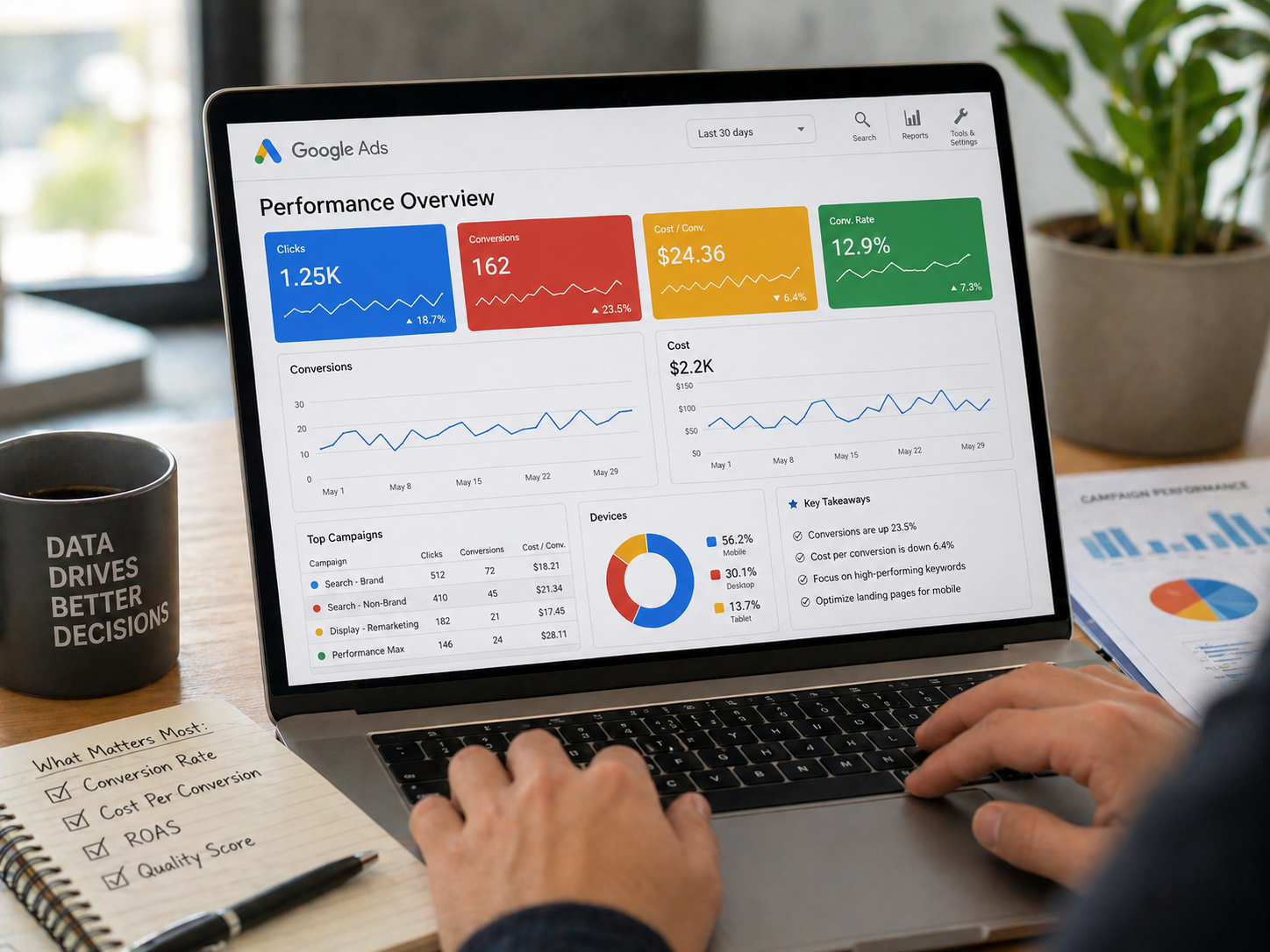
- Data-informed decision-making
Businesses that adapt will gain clarity, speed, and competitive advantage. Those that resist will find SEO increasingly unpredictable.
For organizations looking to apply AI insights within a clear, results-driven SEO strategy,
GetPhound helps translate emerging SEO technologies into measurable growth without losing sight of what actually matters: visibility, trust, and performance.