How ChatGPT and AI tools can assist in keyword research
Keyword research has always been the foundation of effective digital visibility, but the process has traditionally been time-consuming and data-heavy. Marketers once relied exclusively on spreadsheets, manual competitor analysis, and rigid keyword tools. Today, AI platforms like ChatGPT transform keyword research from a purely data extraction task into a strategic, insight-driven process.
Instead of simply generating lists of phrases, AI tools help marketers understand intent, uncover topic clusters, identify gaps in competitor strategies, and structure content around real search behavior. When paired with structured Search Engine Optimization strategies and professional expertise from agencies like GetPhound, AI becomes a powerful accelerator for both organic SEO and local SEO.
This guide explores how ChatGPT and other AI tools can support keyword discovery, clustering, competitor analysis, and long-term SEO planning in a structured and strategic way.
Understanding the Evolution of Keyword Research
Keyword research used to focus heavily on search volume metrics alone. Marketers would identify high-volume phrases and attempt to rank for them without fully understanding user intent. However, search engines now prioritize context, relevance, and semantic relationships.
Modern keyword research requires:
- Intent analysis (informational, navigational, transactional)
- Semantic keyword grouping
- Topic authority development
- User journey mapping
- Competitor gap identification
AI enhances this process by quickly identifying patterns across massive datasets. Instead of manually analyzing related keywords, AI can suggest topic clusters, FAQs, and semantic variations within seconds.
- From single keywords → to topic clusters
- From volume-only → to intent-driven targeting
- From isolated pages → to content ecosystems
This evolution makes AI a valuable support system rather than a replacement for SEO professionals.
Generating Seed Keyword Ideas with ChatGPT
Seed keywords form the foundation of keyword research. ChatGPT can help generate comprehensive seed keyword lists based on business type, services, and target markets.
For example, prompting ChatGPT with:
- “Generate service-based keywords for a roofing company in Phoenix”
- “List transactional keywords for a personal injury attorney in Chicago”
Produces structured outputs that can later be validated with tools like Google Keyword Planner or Ahrefs.
| Traditional Approach | AI-Assisted Approach |
|---|---|
| Manual brainstorming | Instant structured keyword lists |
| Limited variations | Dozens of semantic variations |
| Time-intensive | Rapid idea expansion |
AI speeds up ideation, allowing marketers to focus on validation and prioritization.
Identifying Search Intent More Accurately
Search intent drives ranking potential. AI can categorize keywords into:
- Informational
- Commercial investigation
- Transactional
- Navigational
Understanding intent ensures content aligns with user expectations. For example, ranking for “how to fix a leaking pipe” requires educational content, while “emergency plumber near me” demands a conversion-focused page.
AI assists by analyzing phrasing patterns and grouping keywords accordingly.
Building Topic Clusters and Content Silos
Search engines reward topical authority. AI can organize keywords into clusters, supporting content silo strategies.
Example cluster for HVAC:
- AC repair costs
- Signs your AC needs repair
- Emergency AC service
- AC maintenance checklist
By structuring these topics into a logical framework, businesses strengthen internal linking and authority signals.
Analyzing Competitor Keyword Gaps
AI tools help identify keywords competitors rank for but your site does not. While data tools provide metrics, ChatGPT can help interpret gaps strategically.
Marketers can ask:
- “What keyword themes might a Dallas HVAC competitor be targeting?”
- “Suggest content gaps for a local dentist website.”
This strategic lens enhances traditional SEO tools.
Expanding Long-Tail Keyword Opportunities
Long-tail keywords often convert better due to specificity.
| Short-Tail | Long-Tail Variation |
|---|---|
| Roof repair | Affordable roof repair in Tampa |
| Car accident lawyer | Car accident lawyer for rear-end collisions in Richmond |
AI generates detailed long-tail phrases aligned with real-world search behavior.
Supporting Local SEO with Geo-Modified Keywords
For location-based businesses, geo-targeted keywords are critical.
AI can generate:
- City-based keyword variations
- Neighborhood-specific phrases
- ZIP code targeting ideas
- Service-area modifiers
This strengthens local SEO performance.
Improving Keyword Mapping Across Pages
Keyword cannibalization can harm rankings. AI assists by mapping keyword groups to specific pages.
- Homepage → Broad service terms
- Service pages → Transactional keywords
- Blog posts → Informational keywords
Structured mapping enhances site architecture and clarity.
Enhancing Meta Descriptions and SERP Snippets
AI generates optimized meta descriptions and title tag suggestions aligned with search queries.
Well-structured snippets improve click-through rates.
Streamlining Ongoing Keyword Optimization
SEO is continuous. AI helps refresh outdated content by suggesting:
- Additional related keywords
- Improved headings
- FAQ expansions
- Content readability improvements
Ongoing optimization strengthens organic SEO strategies.
Balancing AI Insights with Human Strategy
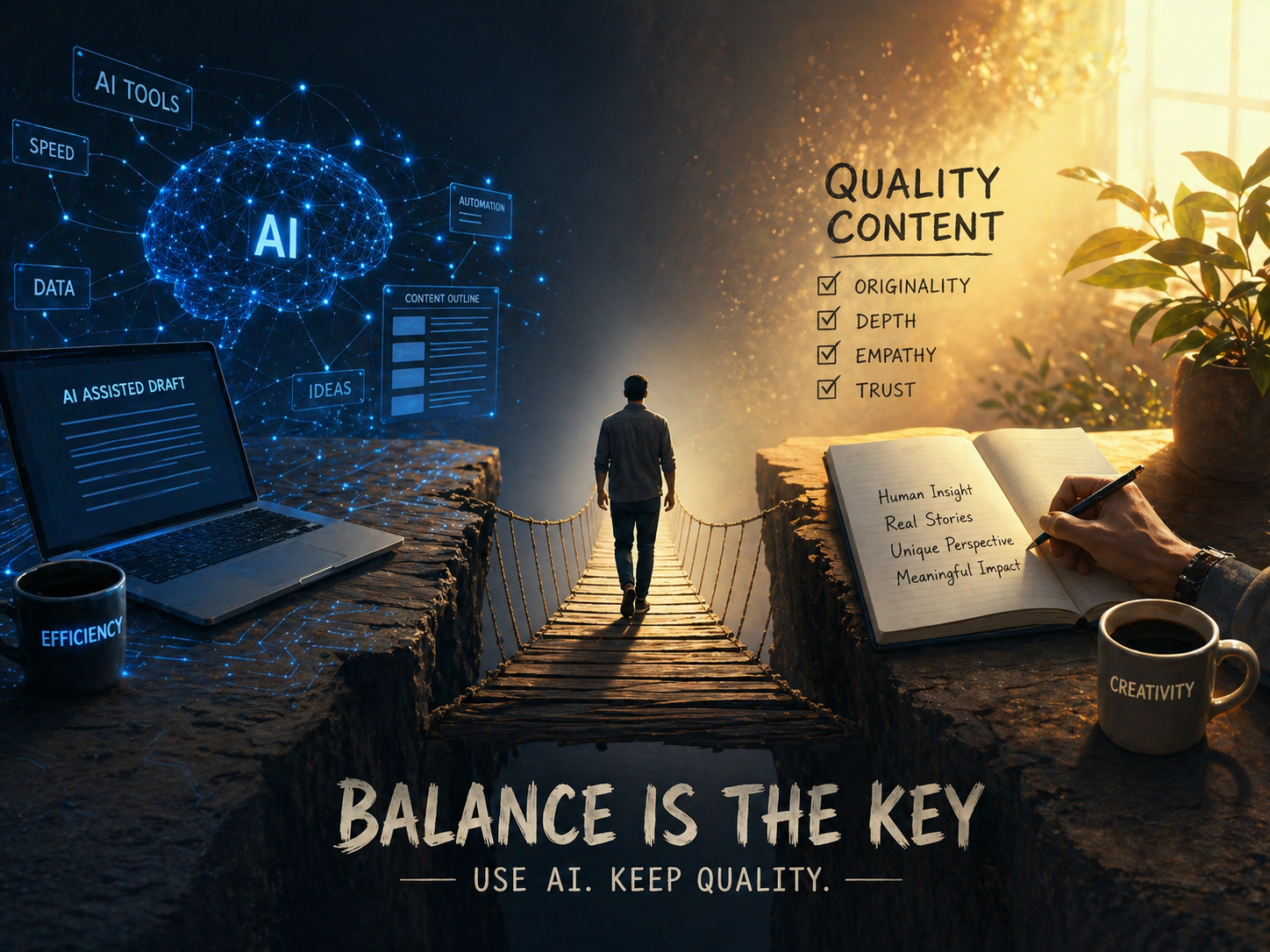
AI accelerates keyword discovery but cannot replace human strategy. Marketers must validate suggestions, align keywords with brand positioning, and ensure compliance with search engine guidelines.
When combined thoughtfully, AI tools enhance efficiency while human expertise ensures long-term authority and trust.
Final Thoughts
ChatGPT and AI tools provide powerful support for keyword research by accelerating ideation, refining intent analysis, expanding long-tail opportunities, and structuring content clusters. When integrated into comprehensive SEO planning, AI enhances productivity without compromising strategy. Businesses that adopt AI responsibly and combine it with expert oversight position themselves for sustainable search growth and competitive advantage.