How to future-proof your local SEO strategy against algorithm updates
Algorithm updates have a way of showing up uninvited and shaking confidence. One day your local pages are bringing steady calls and form fills, and the next, impressions dip, rankings shuffle, and everyone starts asking what changed. For local businesses, these fluctuations can feel especially frustrating because visibility is tied so closely to real-world revenue.
The truth is that Google updates aren’t designed to punish good businesses. They’re designed to refine how search results reflect real-world relevance, trust, and user satisfaction. Local SEO strategies that rely on shortcuts, rigid tactics, or outdated assumptions are the ones most vulnerable to disruption.
Future-proofing local SEO isn’t about chasing every update or reacting emotionally to every ranking change. It’s about building a strategy that aligns with how search engines want to evaluate local businesses—today and years from now. This guide breaks down how to build that kind of resilience, so your local presence grows stronger no matter how algorithms evolve.
Shift from ranking obsession to user-centric optimization
One of the biggest mistakes in local SEO is focusing too heavily on rankings as the primary success metric. Rankings fluctuate naturally, especially during updates, and obsessing over them often leads to reactionary decisions that cause more harm than good.
Future-proof local SEO starts by shifting the focus from “Where do we rank?” to “How well are we serving users?” Google’s updates consistently move in this direction—rewarding businesses that deliver helpful, accurate, and satisfying experiences.
User-centric optimization means thinking about:
- How easily users can find essential information
- How quickly pages load on mobile
- How clearly services and locations are explained
- How trustworthy the business appears
When your site and local presence are designed to meet real user needs, algorithm updates often reinforce your visibility rather than threaten it. Rankings then become a byproduct of doing the right things, not the sole objective.
This mindset shift creates stability because user needs change far less frequently than ranking factors.
Build local relevance beyond keywords
Keyword optimization still matters, but relying solely on exact-match phrases is increasingly fragile. Google has become far better at understanding context, intent, and geographic relevance without needing rigid keyword repetition.
To future-proof your local SEO, focus on demonstrating genuine local relevance rather than forcing keywords into every element. This includes showing real connections to the communities you serve.
Strong local relevance signals include:
- Detailed service area pages with real context
- Local landmarks, neighborhoods, and service nuances
- Community involvement or local partnerships
- Accurate and consistent location information
Instead of asking “How many times did we use the city name?”, ask “Does this page clearly show that we serve this area and understand its needs?”
When updates refine semantic understanding, sites with authentic local relevance benefit most.
Strengthen your Google Business Profile as a living asset
Your Google Business Profile is not a set-it-and-forget-it listing. It’s one of the most update-sensitive components of local SEO, and it plays a critical role in future visibility.
Algorithm updates increasingly evaluate profile quality, activity, and engagement. Profiles that are static or poorly maintained often lose ground over time.
Future-proof optimization includes:
- Regularly updating business information
- Adding new photos that reflect real operations
- Posting updates, offers, or announcements
- Actively responding to reviews and questions
These actions signal freshness, legitimacy, and customer engagement—qualities that align with Google’s long-term direction.
Treat your profile like an extension of your website, not just a directory listing.
Prioritize technical health as an ongoing process
Technical SEO issues don’t always cause immediate ranking drops, but they quietly weaken your site’s resilience. When algorithm updates roll out, technically fragile sites are more likely to experience volatility.
Future-proofing requires consistent technical maintenance, not one-time audits. This includes monitoring crawlability, indexing behavior, site speed, mobile usability, and internal structure.
Key technical priorities include:
- Clean URL structures for local pages
- Fast-loading mobile experiences
- Proper indexing of location and service pages
- Avoiding duplicate or thin local content
Search engines increasingly expect technical excellence as a baseline. Sites that meet this expectation are less likely to be negatively impacted by updates that raise quality thresholds.
Invest in content depth, not content volume
Publishing large amounts of shallow content is one of the riskiest local SEO strategies long-term. Algorithm updates consistently target low-value pages that exist primarily to capture keywords.
Future-proof content focuses on depth, clarity, and usefulness. Local pages should answer real questions, explain services thoroughly, and reduce friction for users making decisions.
High-quality local content often includes:
- Clear explanations of services and pricing factors
- Common local customer concerns and scenarios
- Supporting information like FAQs or guides
- Clear next steps for users
When updates improve quality evaluation, deep content becomes an advantage rather than a liability.
Build trust signals that algorithms can recognize
Trust is a long-term ranking factor that grows more important with each update. Google looks for signals that a business is legitimate, reputable, and consistent across the web.
Future-proof local SEO strengthens trust signals proactively instead of reacting after issues arise.
Trust-building elements include:
- Consistent NAP information across platforms
- Authentic customer reviews and responses
- Clear business details on the website
- Transparent policies and contact information
Trust isn’t built overnight, but it compounds over time. Algorithm updates tend to reinforce trust-based visibility rather than undermine it.
Optimize for mobile-first behavior
Mobile-first indexing is no longer new, but its importance continues to grow. Updates increasingly reflect mobile user behavior, especially for local searches driven by immediacy and proximity.
Future-proof strategies assume mobile users are the primary audience and optimize accordingly.
This means:
- Designing pages for touch interaction
- Prioritizing speed and readability
- Making calls, directions, and forms effortless
- Reducing friction in navigation and layout
When mobile experience is strong, algorithm updates that prioritize engagement and satisfaction tend to work in your favor.
Diversify traffic sources within local search
Relying on a single page, keyword, or listing is risky. Algorithm updates often redistribute visibility, and over-concentration increases vulnerability.
Future-proof local SEO builds multiple entry points for discovery:
- Multiple strong service pages
- Supporting informational content
- Optimized Google Business Profile interactions
- Branded search demand
Diversification doesn’t dilute focus—it strengthens stability. When one area fluctuates, others continue to perform.
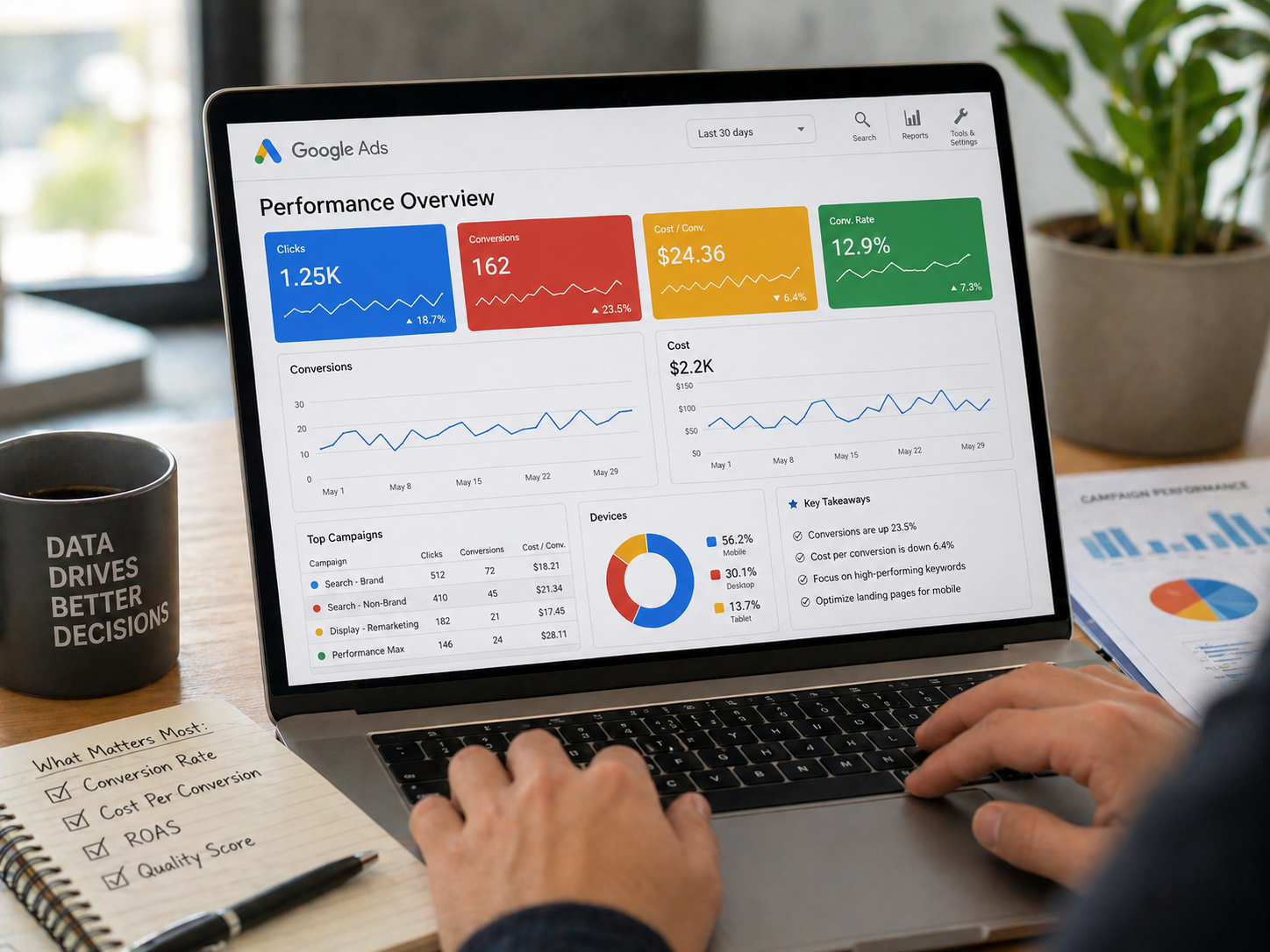
Monitor performance trends, not daily fluctuations
One of the most damaging reactions to algorithm updates is overcorrecting based on short-term changes. Rankings and traffic naturally fluctuate, especially during rollouts.
Future-proof strategies rely on trend analysis rather than daily monitoring. This allows you to distinguish between temporary volatility and real performance shifts.
Healthy monitoring practices include:
- Comparing data over meaningful timeframes
- Segmenting by location and service
- Watching engagement and conversions
- Evaluating visibility holistically
Calm, data-driven decision-making protects your strategy from unnecessary disruption.
Treat local SEO as a long-term system, not a checklist
The most resilient local SEO strategies are built as systems. They evolve, adapt, and improve continuously rather than relying on fixed tactics.
Future-proof systems include clear processes for:
- Content updates and expansion
- Technical monitoring
- Review management
- Local optimization refinement
When updates happen, systems absorb change more smoothly than static strategies.
Building confidence in an uncertain algorithm future
Algorithm updates will continue, and uncertainty will always exist. The businesses that thrive are not the ones that chase updates, but the ones that align with search engines’ long-term goals: relevance, trust, and user satisfaction.
Future-proofing local SEO is about investing in fundamentals that don’t expire. When your strategy is built on real value and clarity, updates become opportunities rather than threats.
If you’re looking for guidance on building a resilient, future-focused local SEO strategy,
GetPhound helps businesses create sustainable visibility that holds strong through every algorithm shift.