5 SEO Reasons Your Small Business Should Blog
Millennials are ruining everything. At least, that’s what the media likes to tell us. Just look at this story about all the industries Millennials are ruining, which includes cars, golf, and napkins.
I don’t want to jump on the dog pile, but Millennials are also ruining advertising. Local Philly businesses and national brands alike are scrambling to entice a generation that prefers Yelp reviews to yellow pages, and that research shows doesn’t respond to ads.
What do Millennials respond to? Stories, authenticity, and value. In other words, good content.
A company blog is a great place to invest in this, but that’s not the only reason to start one. Launching a content marketing campaign for your Philadelphia-area business could also mean accessing SEO benefits for your website overall.
Philadelphia Content Marketing: SEO Benefits of Blogging
If you’re a local business in Philadelphia, blogging could be vital to your website’s rankings in Google search results. Here’s why:
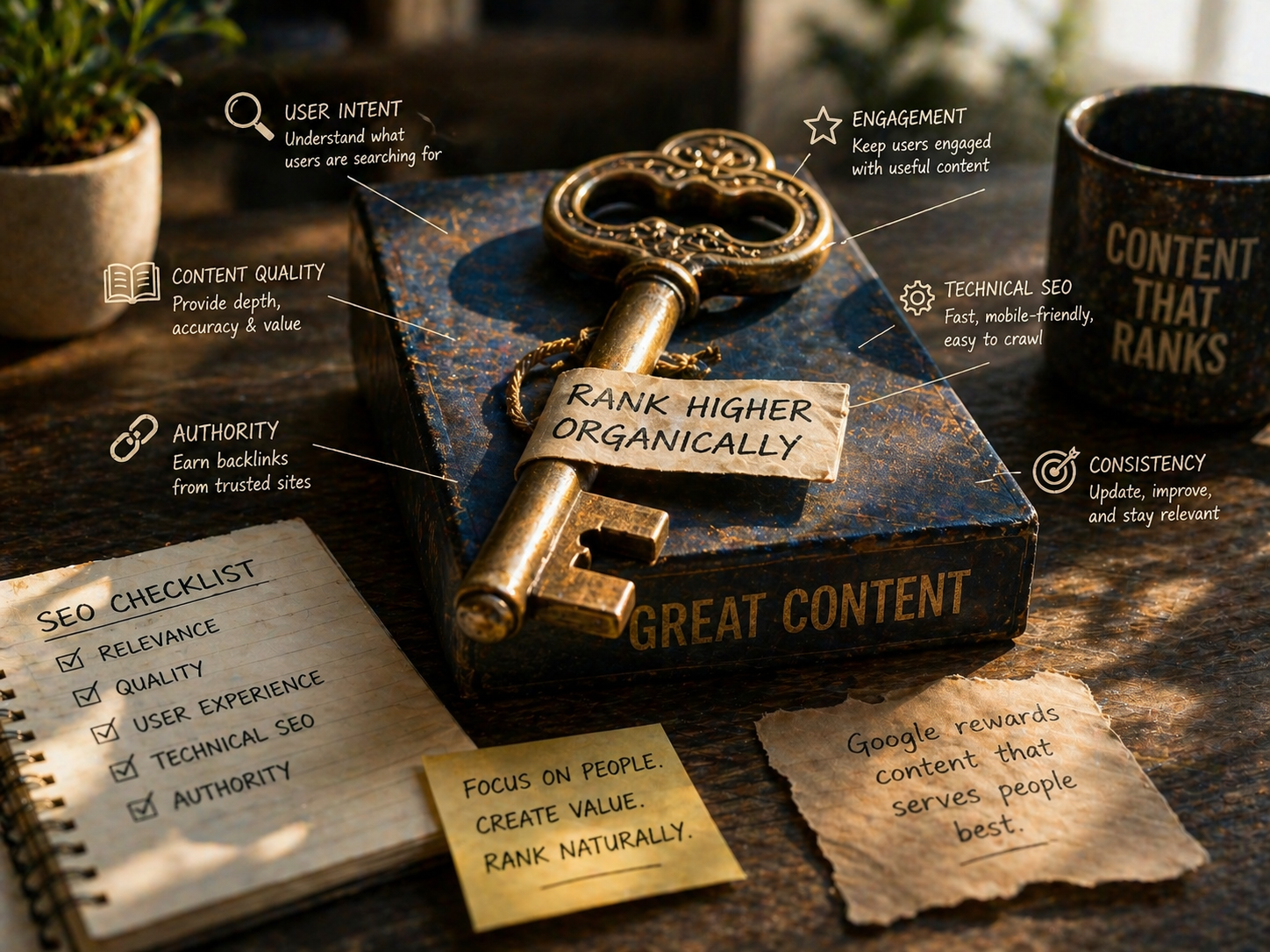
- Freshen up your website. Getting onto that coveted first page of Google search results is hard. It’s also dependent on many factors, like the speed and design of your website, listings in local directories, and whether or not big influencers link to you. One factor Google rewards is relevance: When was the last time your site was updated? A company that’s consistently posting fresh content on a weekly or monthly blog has a better chance of ranking than one that rarely updates.
- Get visitors to stay on your site longer. Once someone is on your site, how long they stay affects how high you rank in Google search. If your site offers little content, it’s likely visitors will abandon it fast, a pattern that drags down your ranking. A blog full of useful, engaging content could keep visitors on your site longer, improving your chances of ranking high.
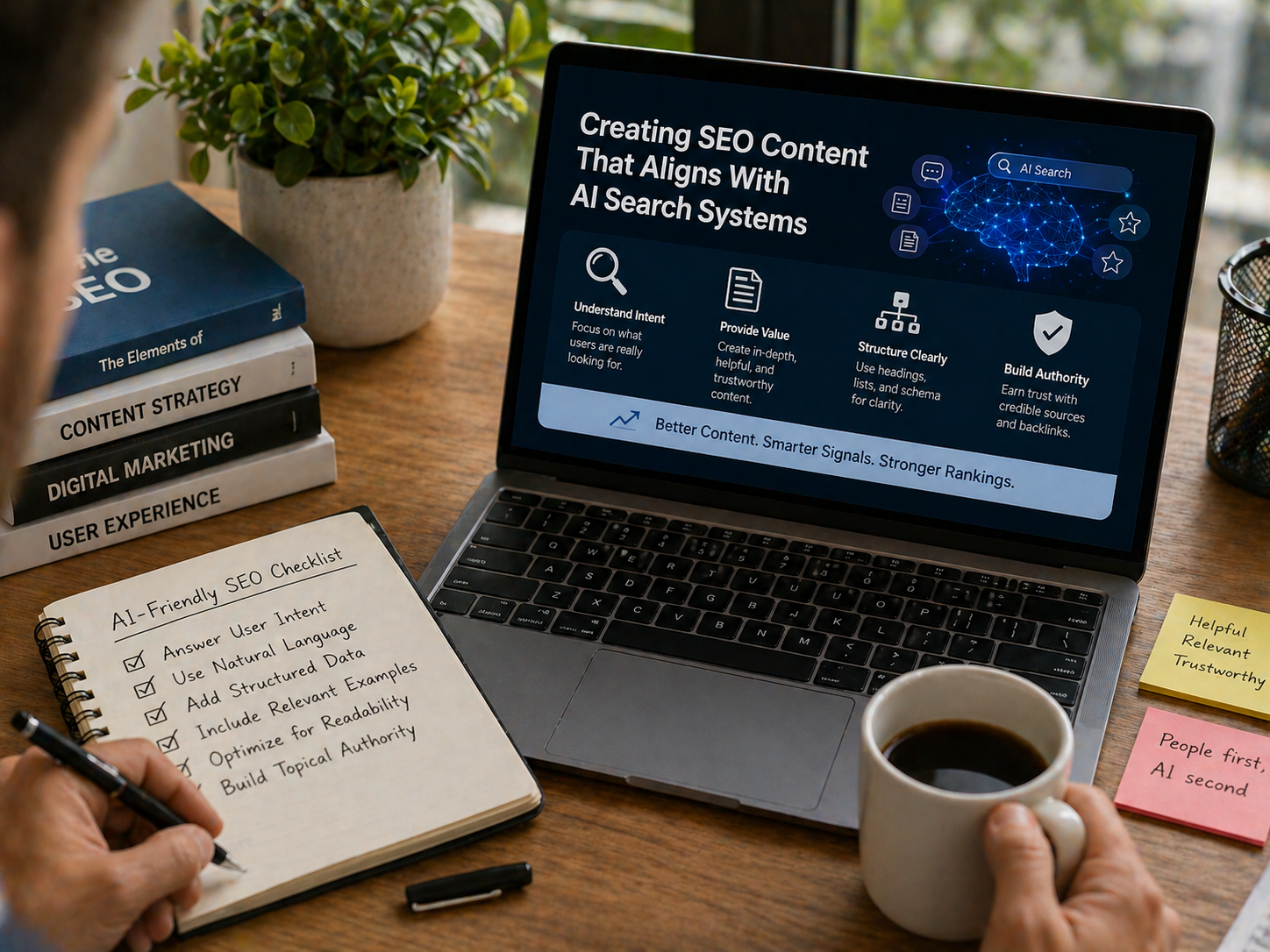
- Make use of a smart keyword strategy. If you’ve heard of SEO, you probably know keywords are integral. Blogs are an excellent opportunity to target search phrases you want to rank for in Google results. Ideally, you should create a content marketing strategy for capturing competitive and less competitive keyword phrases in your industry. A smart keyword strategy could mean the difference between coming up in Google search or staying lost in a sea of results.
- Take advantage of internal linking. Another well-known SEO practice is linking: the idea that linking to a page improves its chances of getting found by Google. While it’s more complicated than this, it’s generally true that pages with more links rank higher. You can capitalize on the power of linking by writing about searchable topics, then creating additional posts that link back intelligently. In other words, your own content can persuade Google of your pages’ importance. A company blog can become a strategically structured web of keyword-friendly pages that link to each other and signal to Google that your website is worth ranking.
- Create content to share on social media. Being active on Facebook, LinkedIn, Twitter, and Google+ is important for small businesses. With more than 500 million active users daily, Facebook is an incredible opportunity to get people near you familiar with your name and services. In terms of SEO, being active on social doesn’t directly affect your website’s ranking, but sharing your blog posts could become a significant source of website referrals. Plus, content that gets lots of engagement on Facebook also tends to rank higher in Google search results.
Keep in mind that the kind of value-rich content I’m referring to includes things like:
- Interesting, in-depth explanations of your services
- How-to guides
- Answers to FAQs
- Showcases of your projects
- Commentary on local happenings related to your business
- Updates about your business
Keep in mind, too, that writing blogs along these lines without knowledge of on-page SEO and keyword strategies means you’ll miss a lot of the potential benefits. Do your research, or hire a pro, before you get blogging.
The post 5 SEO Reasons Your Small Business Should Blog appeared first on GetPhound.